Playful video ideas

runway ai examples funny for shareable video concepts

Funny concepts work best when the joke is clear before the generation starts. This guide uses runway ai examples funny to show how ordinary footage can become a concise, repeatable creative workflow.

Free to start · prompt ready

Audience workflow

the audience's existing pipeline

Most humorous AI videos begin somewhere familiar: a rough idea, a source image, a short clip, or a social post that needs a stronger visual turn.

Short-form creator

A creator has a six-second reaction clip but the setup feels ordinary and the punchline arrives too late.

Use a visual exaggeration, such as an overly serious camera move or an absurdly important prop, while keeping the original reaction readable.
runway ai video examples

Social media manager

A brand has a familiar product demonstration and wants a light comic version without changing the product message.

Keep the product centered, then add one unexpected character action or environmental detail that makes the post memorable.

runway ai video examples

Teacher or presenter

A lesson or explanation needs an opening visual that makes a dry idea easier to remember.

Translate the concept into a compact visual metaphor: a tiny subject handling a giant problem, or a serious scene interrupted by a harmless surprise.

runway ai video examples

Meme editor

A meme has a strong caption but no movement, so it disappears quickly in a crowded feed.

Animate one beat rather than everything at once. A deliberate pause, glance, entrance, or reveal gives the caption room to land.

runway ai video examples

Visual transformation

where we slot in

The useful handoff is between the rough comic premise and the finished post. A generated shot should clarify the joke, not replace editing, captions, or audience judgment.

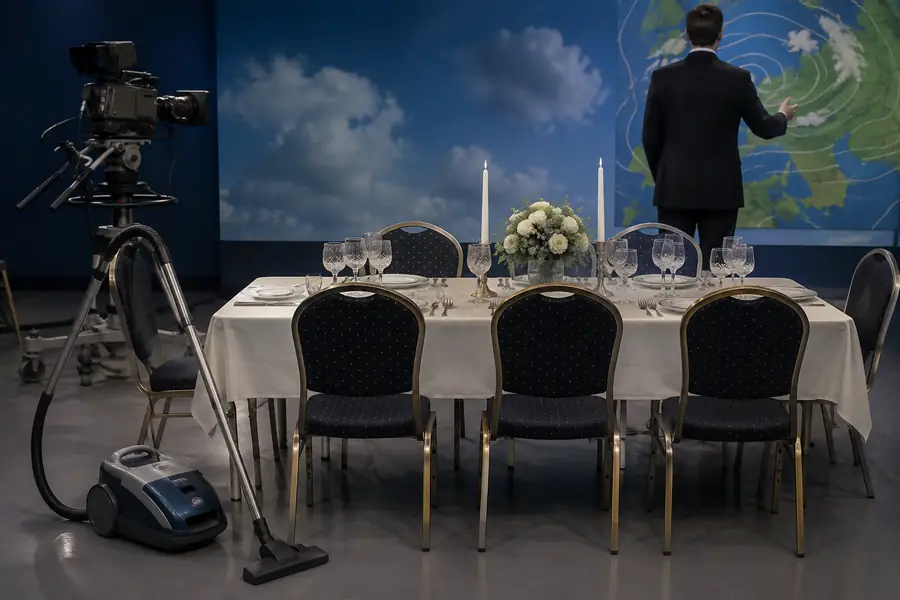
Plain source frame prepared for a humorous video treatment
Plain setup
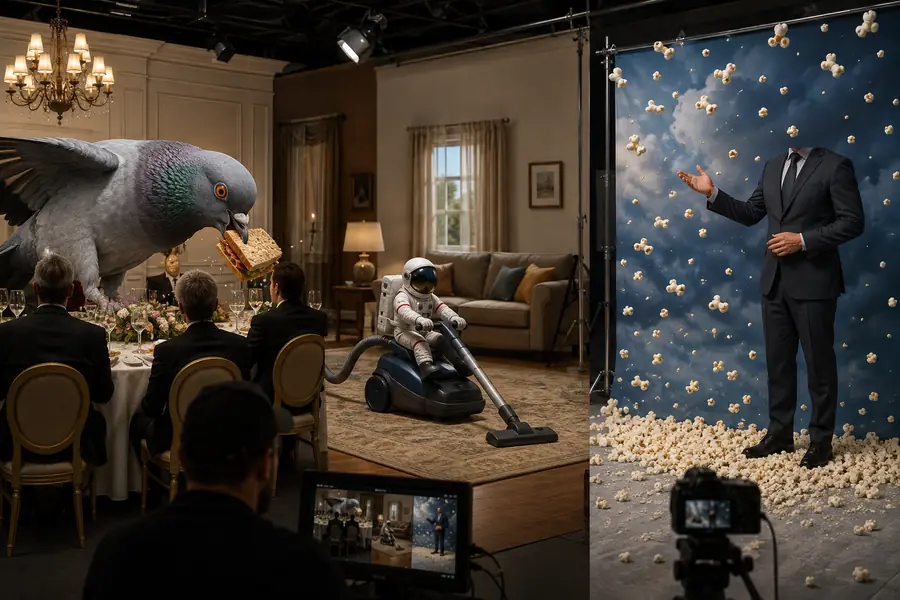
Finished playful video frame with a clear visual punchline
Comic payoff

Keep one joke, one focal action, and one visual change per shot.

Plain setupComic payoff

Production estimate

before/after

Use the slider as a planning aid for a batch of short concepts. These are editorial estimates for organizing a session, not promises about generation speed or output quality.

Draft prompts

prompts

Review minutes

minutes

Editing minutes saved

minutes

Format evolution

deliverable spec

Funny AI video formats became more useful as creators moved from one-off novelty clips toward repeatable, edit-friendly assets with a clear beginning, turn, and ending.

  1. Start with a recognizable situation

    The audience should understand the setting quickly: a meeting, kitchen, classroom, product demo, or dramatic landscape.

  2. Add one impossible instruction

    Introduce the comic contrast through scale, seriousness, timing, or an object behaving in an unexpectedly human way.

  3. Protect the main action

    Keep the prompt focused on one movement and one subject. Too many simultaneous gags make the result difficult to read.

  4. Choose the clearest take

    Review clips for continuity, facial or object stability, readable motion, and whether the visual joke survives without a long explanation.

  5. Finish for the feed

    Trim the pause before the reveal, add captions when needed, and keep the final export proportionate to the channel where it will appear.

Choice guide

Choose the simplest branch that preserves the joke. More visual complexity is not automatically funnier.

or

Option 1

The source already has a strong reaction

Use a small visual interruption or exaggerated prop.

The audience already understands the emotion, so the generated element can stay minimal.

or

Option 2

The premise is funny but visually flat

Create a clear setting change or physical contrast.

A new scale, location, or movement gives the idea something viewers can recognize immediately.

or

Option 3

The joke depends on precise dialogue

Treat the generated clip as a visual insert and add the final wording during editing.

Separating visuals from copy gives you more control over timing, captions, and revisions.

Practical targets

A good humorous deliverable is compact enough to review and specific enough to reuse.

Main comic idea per shot
1 joke
Setup, turn, and payoff
3 beats
Useful vertical framing target
9:16
Prompt pass and edit pass
2 reviews

Scenario FAQ

scenario FAQ

These answers focus on making funny AI video concepts understandable, editable, and suitable for short-form publishing.

A clear setup followed by an unexpected but understandable change usually works best. The humor can come from contrast, timing, scale, misplaced seriousness, or a familiar object acting out of character.

Describe the subject, setting, action, tone, and the single visual surprise. Keep the action concrete and avoid stacking several unrelated jokes into one prompt.

Yes. Start by identifying the strongest existing reaction or object, then add one controlled transformation around it. Preserve the original context so viewers can follow the joke without extra explanation.

Give the audience enough setup to understand what is normal, then place the change near the middle or end. For very short clips, a quick visual reveal often works better than a long buildup.

Check that the subject remains recognizable, the motion is readable, and the joke does not depend on misleading context. Review captions, aspect ratio, rights for source material, and whether the tone fits the intended audience.

Try Runway
Try Runway